Updates: New Plays, Productions, etc

New Plays

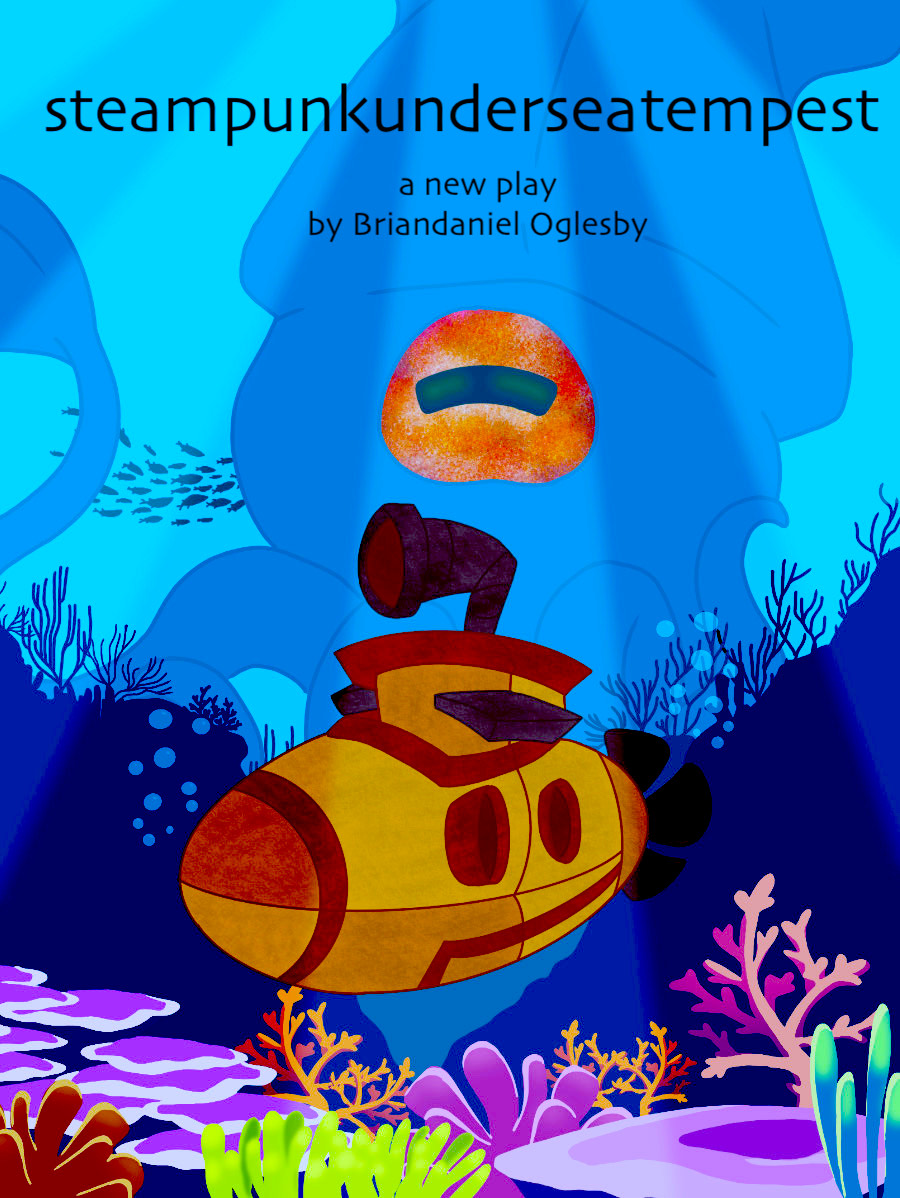
STEAMPUNKUNDERSEATEMPEST is currently under consideration for new play development opportunities; however, we’re open to non-professional/educational licensing of the play. It’s exactly what it sounds like – a steampunk adaptation of The Tempest set under the sea. There’s a billionaire whose submarine explodes, which was certainly an interesting topic to explore at this time. Plenty of physical comedy, can be done with as few as six actors, lots of opportunities for creating beautiful marine life, and so on. Contact me for perusal copy.
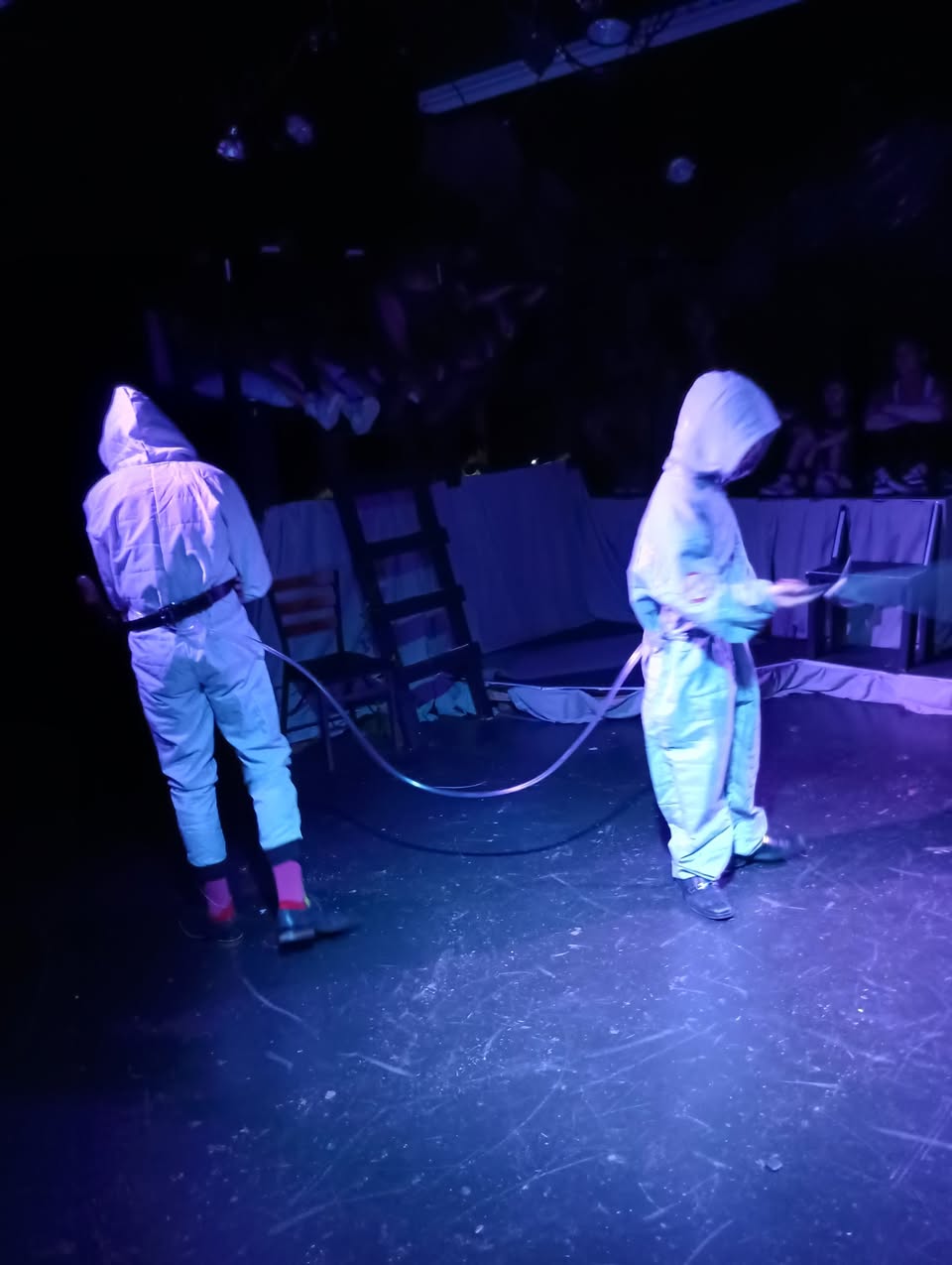
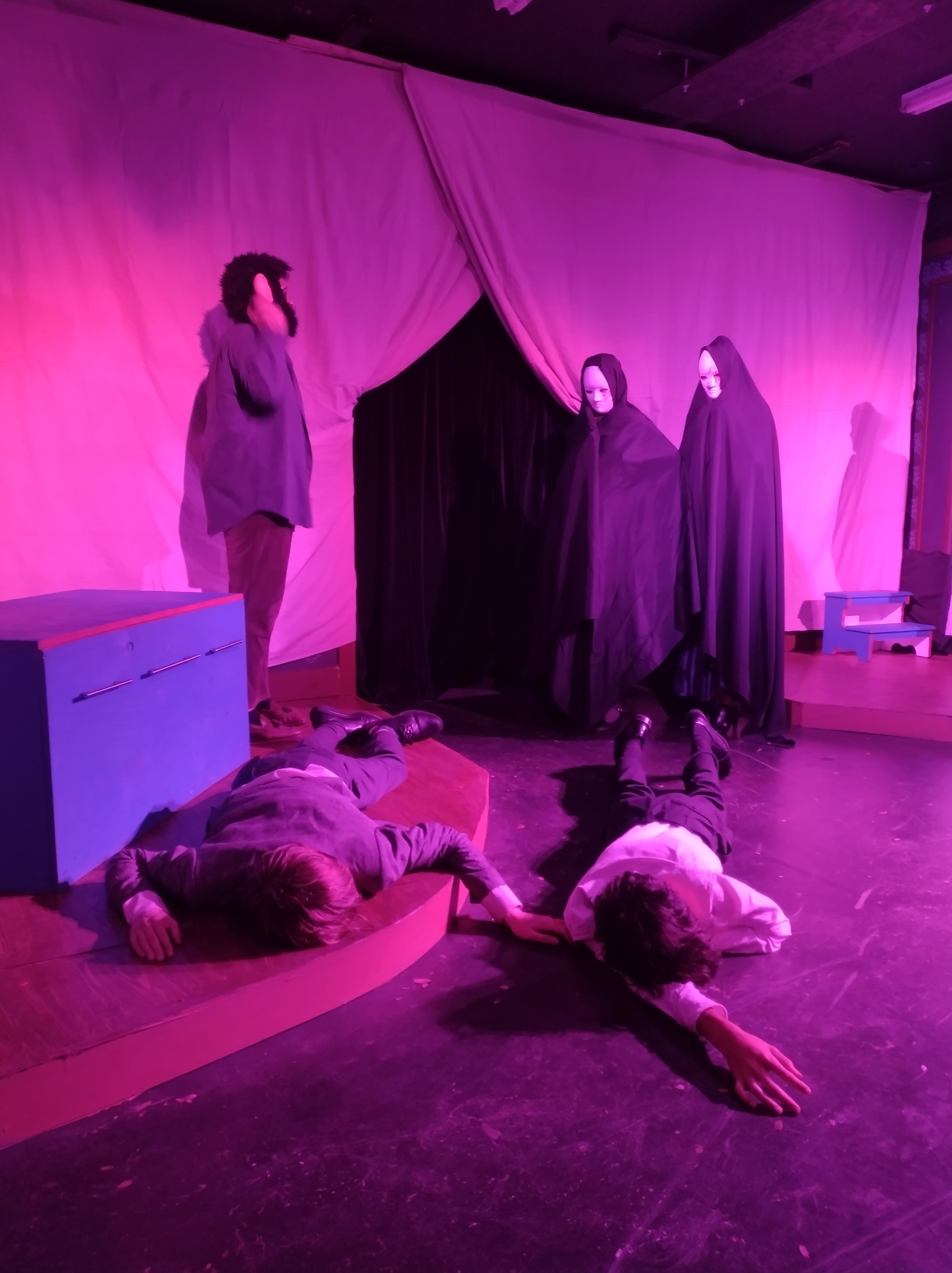
I recently revised FALLOUT OF THE SKY as a commission for the Albuquerque Academy’s middle school program. The world was expanded and the characters deepened. The bones of the story remained — it’s a series of vignettes centering the myth of Icarus, imagining the various members of the community surrounding the missing child telling their view on his story. Beginning, like most tellings of the myth, as a cautionary tale about obeying your parents, a teenager investigates what ‘really’ happened. She speaks with the fisherwoman (inspired by the Bruegel painting) who saw the boy fall; she interviews the fish who ate him; she gathers the testimony from Helios, the conductor of the ‘sun’ who hit him; and so on… The cruelty of King Minos locking him up with this father is also not lost on this version.

When I was in my early twenties, I once gave myself the task of trying to write in with what I called a ‘plural first person’ point-of-view. A community speaking, not an individual. A “we” instead of an ‘I’. I was mostly a fiction writer back then, so I didn’t think to look at choral storytelling in plays. A few years later, I figured out how to pull this off in a short play with the original version of Fallout – then titled ‘Our Flock’. More than ten years since, I was happy to have the chance to revisit the play and expand the chorus. I had more to say.

Also a recent script finished, WHEN ALICE KILLED FREDA is the play that scared me the most to write. It imagines a group of young people in the ’90s using an actual historical murder as inspiration for a movie. Although initially ostensibly making the film homophobic, things get more complicated as characters make some self-discoveries. Even language intending to demonize becomes a way to liberation. In a time of deep and vicious homophobia and compulsory genre roles, these kids find each other.

I am shopping this around for new play development, and will make it available soon.

PRODUCTIONS

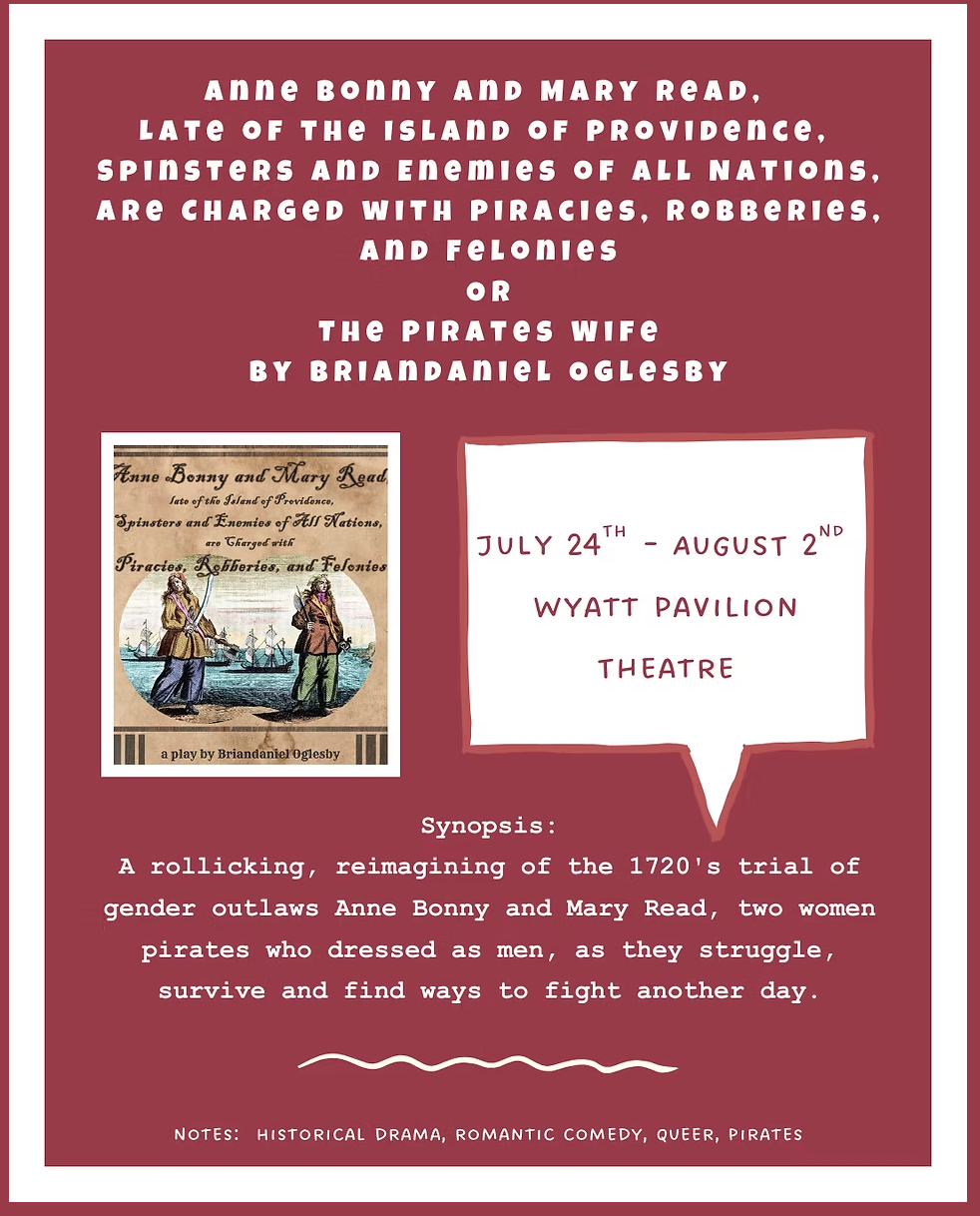
It’s been great to see pictures of high school productions of The Apocalypse Project, Twelve Huntsmen, Dead Victorian Child, and others popping up in my feed. This summer I’ll be joining Acme Theatre and their production of Anne Bonny and Mary Read, Late of the Island of Providence

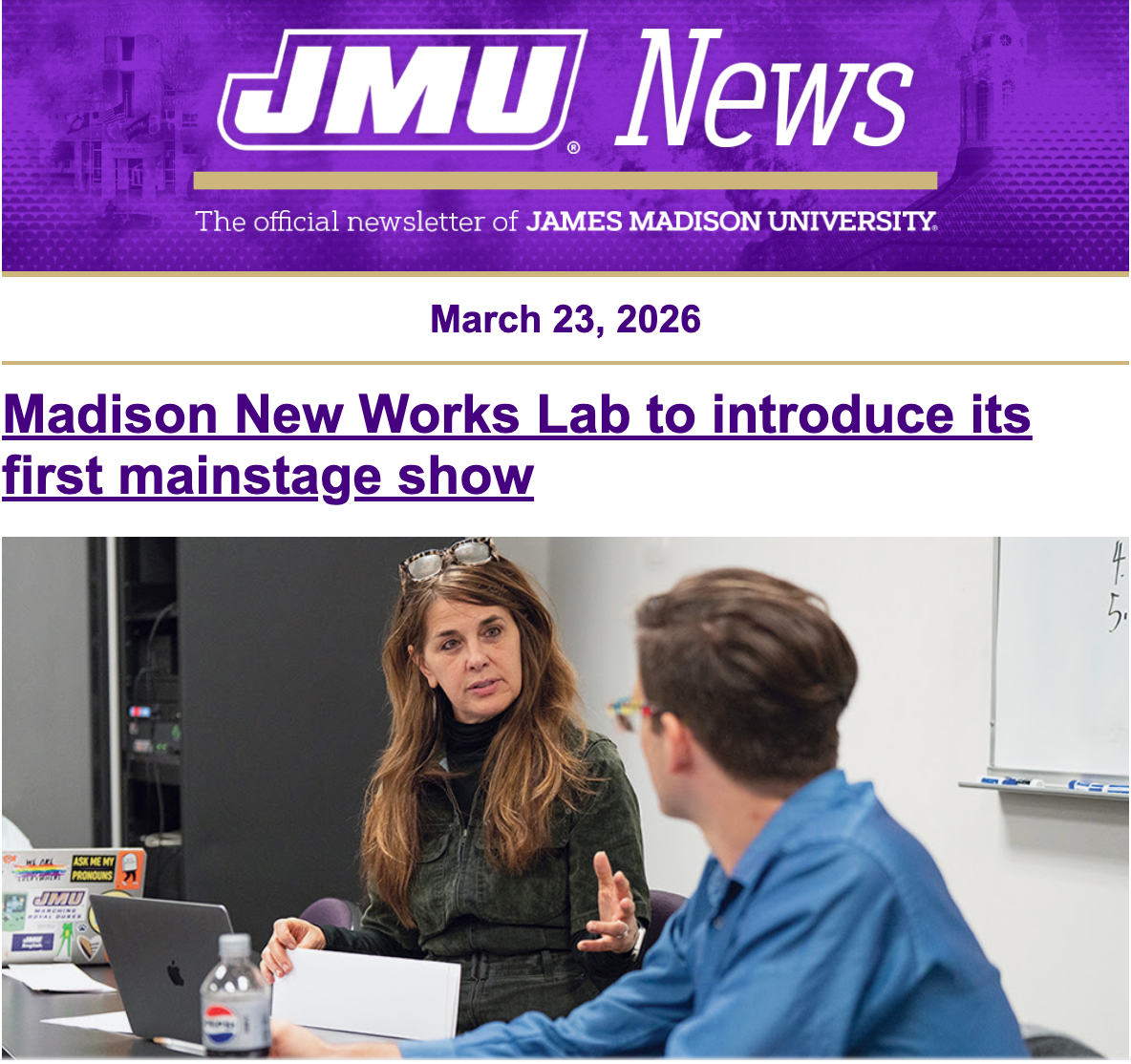
Basement Demons and Trailer Saints opens at James Madison University this month. Please check out this article on it: https://www.jmu.edu/news/2026/02/27-madison-new-works-lab.shtml
Scriptworks’ Out of Ink will be including my play Out of This World in it’s upcoming ten-minute play festival.
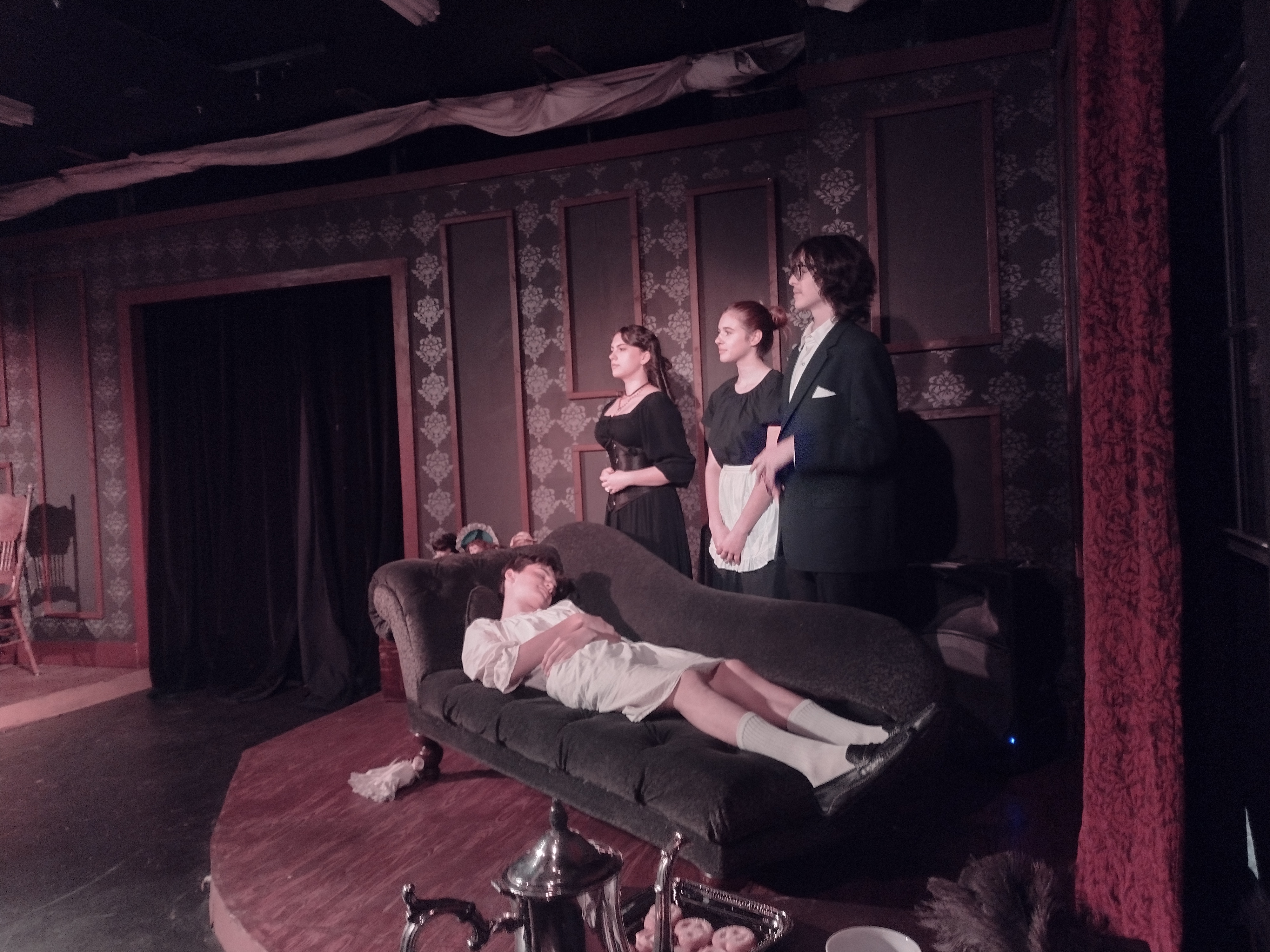
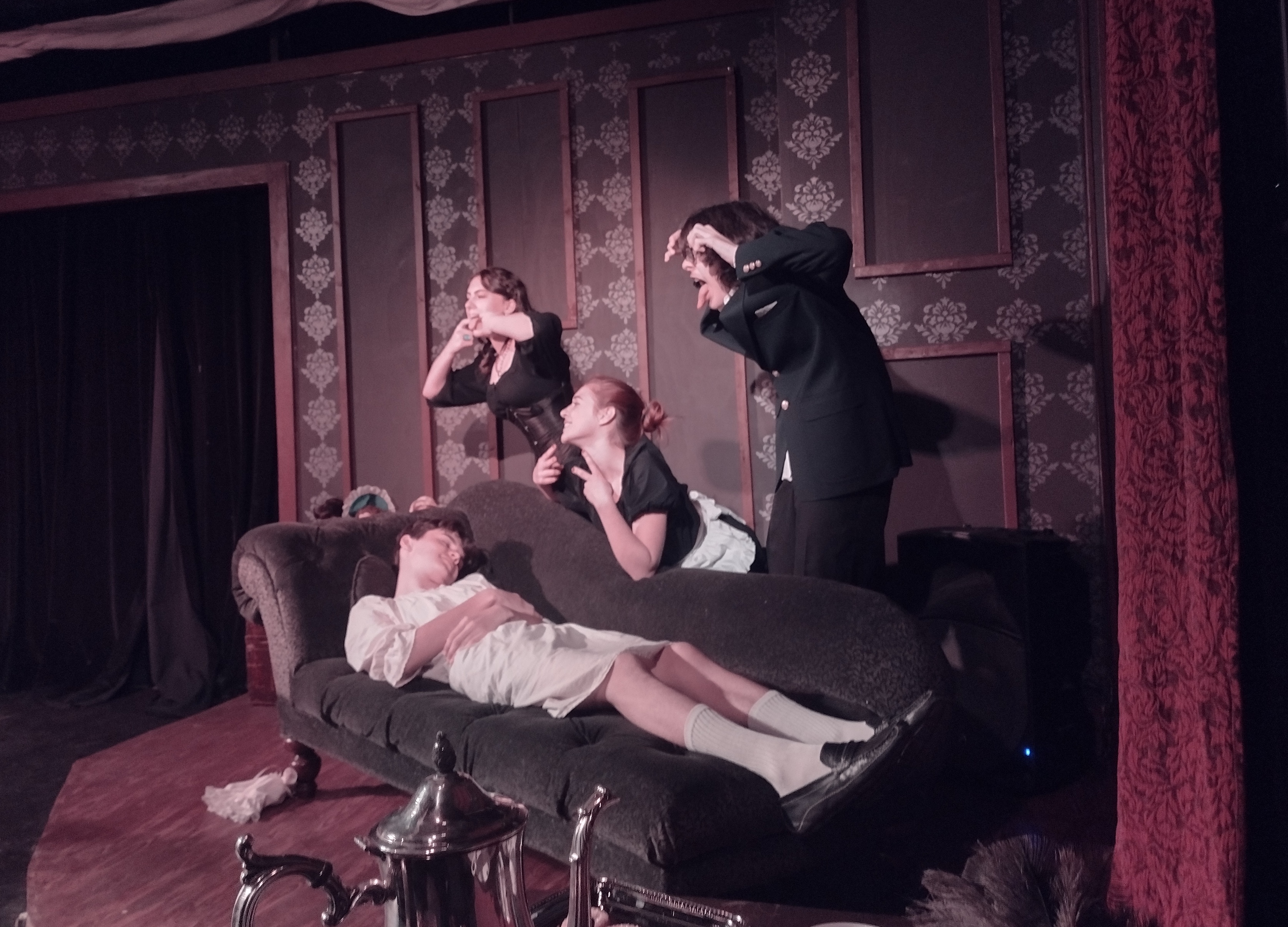
New Play: Dead Victorian Child

A comedy.

The Pitch: A pair of bickering spiritualist sisters, a patent medicine peddler selling literal snake oil, a fairy whisperer, and a time traveling inventor with his mechanical monkey all come knocking on the Briar family’s door when a child appears to have died after reading books that were too much for his delicate Victorian sensibilities. They claim they can contact the dead. Their grifts (and pasts) are exposed when the child “returns” to life.

The child has a story to tell – and Barnum and Bailey are eager to profit from it.

This play starts as a farce, though the satire transforms into a different kind of imaginative comedy complete with grave robbing, LGBTQ storylines, a seance that brings back an irritated mother, a time-traveling jaunt through the 20th Century, a fight with a dinosaur, assassins, a League of Non-binary Street Urchins, and more as the child invents the stories of the grifters. When he’s exposed as a fraud and Barnum and Bailey decide to literally bury him, he is forced to confront his own truths – and invent more hopeful endings for others.

*

THE PROCESS

When I write a play with and for my students, we always come up with a handful of ideas that we have to put aside. The promise I make to the shelved plays is not, “You will never exist,” but instead, “I’ll see you later.”

The kernel of this play came last spring. Cavepaint was a greater technical challenge, and with a highly experienced set of technical students I wished to challenge beat out this idea, but a story that started with a child faking their death while a farcical slew of grifters tried to take advantage of the kid’s parents was a delightful option.

DVC is a way of taking everything that intrigues me about the Victorian era and distilling all of it into a single story. I am struck by the confluence of science and “magic,” enchanted by the aesthetic, and fascinated by the changing relationship to death. We are in an era of modern grift, of course, and I can’t help but to connect the TikTok Vitameatavegamin influencers to the patent medicine purveyors, so that may be why these folks have my interest, but I think it goes beyond that.

Before DVC, I would have happily just written a play about the Fox sisters, the Cottingley fairies, or Mumler’s spirit photography, or patent medicine men, or industrial inventors, or grave robbers. I happened to have a massive cast for this play, so I decided to fold ALL of them into the same story.

Act I is in one location, and it’s built to be a farce. The joke is that everyone is lying. Towards the end, we learn the lies, which these characters use to survive the oppressive Victorian era. We also see how the dead child’s lies start innocuously, and how the possibilities of profit can lead to greater lies (much like the Fox sisters, by the way).

And as we created the play, I was realized I could easily accidentally repeat the structure of Forever Christmastown. In FC, the belief in a fake miracle leads to a cult following, which leads to an actual cult and a theme park declaring itself a sovereign nation.

I realized that it would be far more fun to imagine that all of these liars were, in fact, telling the truth. The joke becomes the absurdity of their fictions. What if the Fox sisters could contact the dead – and they used that to get their dead mother to arbitrate sibling rivalry? What if a patent medicine could bring someone back from the dead (specifically, someone who’d been raised by a grave robber)? What if there were secret societies of doctors and assassins scheming to suppress miracles?

That all of this is told by the not-so-Dead Victorian Child, the liar who just wants to be liked, means that we can both tell the story as if it’s real without suggesting that modern grifters are, in fact, telling the truth.

In the process, some of the students requested that improv be incorporated into the play. Several scenes have moments that the actors are invited to create themselves.

At the end of the day, I wanted to make a play unlike anything you can find anywhere else.

Dead Victorian Child is up on the New Play Exchange.